Getting
Started Guides

Step-by-step guides to help you get started with your new device

Find out more

For Heathcare Professionals

For use by physicians

  • Last updated: 12 February 2026
  • Est. reading time: 3 minutes
  • GLP-1 Medications and Digestive Side Effects

  • GLP-1 medications like Ozempic, Wegovy, and similar drugs have changed the way many people manage type 2 diabetes and weight loss. For some, they can be life-changing. For others, the benefits come with digestive side effects that are hard to ignore.

    Nausea, bloating, constipation, diarrhea, and feeling uncomfortably full are all commonly reported. If you’re experiencing these symptoms, you’re not doing anything wrong – and you’re definitely not alone.

    Understanding why GLP-1s affect digestion, what symptoms are common, and what can help may make it easier to manage side effects and decide what support you need.

  • Est. reading time: 3 minutes
  • GLP-1 Medications and Digestive Side Effects

  • GLP-1 medications like Ozempic, Wegovy, and similar drugs have changed the way many people manage type 2 diabetes and weight loss. For some, they can be life-changing. For others, the benefits come with digestive side effects that are hard to ignore.

    Nausea, bloating, constipation, diarrhea, and feeling uncomfortably full are all commonly reported. If you’re experiencing these symptoms, you’re not doing anything wrong – and you’re definitely not alone.

    Understanding why GLP-1s affect digestion, what symptoms are common, and what can help may make it easier to manage side effects and decide what support you need.

How GLP-1 medications affect digestion

GLP-1 receptor agonists work in several ways, but one of their main effects is slowing digestion. They delay how quickly food leaves the stomach and reduce how fast the gut moves food along overall. This slower digestion helps people feel fuller sooner and for longer, which can support appetite control and weight loss. But digestion doesn’t just affect appetite – it affects everything that happens downstream in the gut.

When food moves more slowly through the digestive tract, it can change how nutrients are absorbed, how full you feel, and how gut microbes interact with what you eat.

Why slower digestion can lead to GI symptoms

A slower-moving gut gives food more time to sit in the stomach and small intestine. For some people, this can lead to:

Feeling overly full after small meals

Nausea or vomiting

Bloating and gas

Changes in bowel habits, including diarrhea or constipation

Another important piece of the puzzle is fermentation. Gut bacteria break down certain carbohydrates and produce gas as a byproduct. When digestion slows, bacteria may have more time to ferment food, which can increase gas production and discomfort in some people.

The link between GLP-1s, SIBO, and IMO

Reduced gut motility is a known risk factor for conditions like:

– SIBO (Small Intestinal Bacterial Overgrowth)

– IMO (Intestinal Methanogen Overgrowth)

Both involve an overgrowth of microbes in the small intestine, where bacterial levels are usually lower. When food lingers longer than usual, it can give these microbes more opportunity to ferment carbohydrates.

Research in people with diabetes has found that those treated with GLP-1 receptor agonists were almost twice as likely to test positive for SIBO compared with people treated with other diabetes medications. This doesn’t mean everyone taking a GLP-1 will develop SIBO or IMO, but it does help explain why bloating, gas, and bowel changes are so common.

How common are digestive side effects?

Gastrointestinal symptoms are the most common side effect of GLP-1 medications. Studies suggest that up to 70% of people experience some form of GI symptoms, especially when starting treatment or increasing their dose.

These side effects are also one of the main reasons people stop taking GLP-1s:

– Around 65% of people without diabetes discontinue within a year

– Around 47% of people with diabetes discontinue within a year

Different GLP-1 medications and dosing schedules are associated with different risks of side effects, and everyone’s tolerance is different. Some people have mild symptoms that fade over time, while others struggle enough to reconsider treatment.

Why symptoms often show up early or after dose changes

Many people notice that digestive symptoms are worst:

– When first starting a GLP-1

– After a dose increase

This is because your gut is adjusting to slower digestion. For some, symptoms settle within a few weeks as the body adapts. Eating habits, hydration, and meal timing can make a big difference during this adjustment period.

Practical ways to manage common GI symptoms

While not all side effects can be avoided, many people find that small changes help reduce how intense symptoms feel.

For nausea:

– Avoid strong smells, especially around mealtimes

– Try plain crackers, mint, or ginger-based foods or drinks

– Some people find these work best about 30 minutes after taking their medication

For vomiting:

– Focus on staying well hydrated

– Choose smaller meals more often instead of large portions

For diarrhea:

– Drink plenty of water

– Temporarily avoid dairy products and very high-fibre foods until symptoms improve

For constipation:

– Increase fiber slowly rather than all at once

– Make sure to drink enough fluids alongside fiber

General tips:

– Eat slowly and stop when you feel full

– Keep portion sizes smaller

– Avoid vigorous activity immediately after eating

Gradual dose increases and personalized dietary adjustments can also help, especially when guided by a healthcare provider.

When symptoms don’t settle

For some people, digestive symptoms persist even after the adjustment phase. Bloating, gas, constipation, or discomfort may continue or come and go unpredictably.

In these cases, it can help to look beyond the symptom itself and explore what might be happening during digestion. Slower gut motility can change how food is fermented in the gut, which may contribute to ongoing discomfort.

The role of tracking digestion and fermentation

Keeping track of symptoms can be surprisingly helpful. Even simple notes can start to reveal patterns, such as whether symptoms tend to be worse:

– After certain meals

– Later in the day

– When eating quickly or having larger portions

– When hydration is low

For some people, symptoms don’t just come and go – they follow a pattern. When bloating, gas, or discomfort persist, tracking can add another layer of clarity by helping you see how digestion may be changing over time.

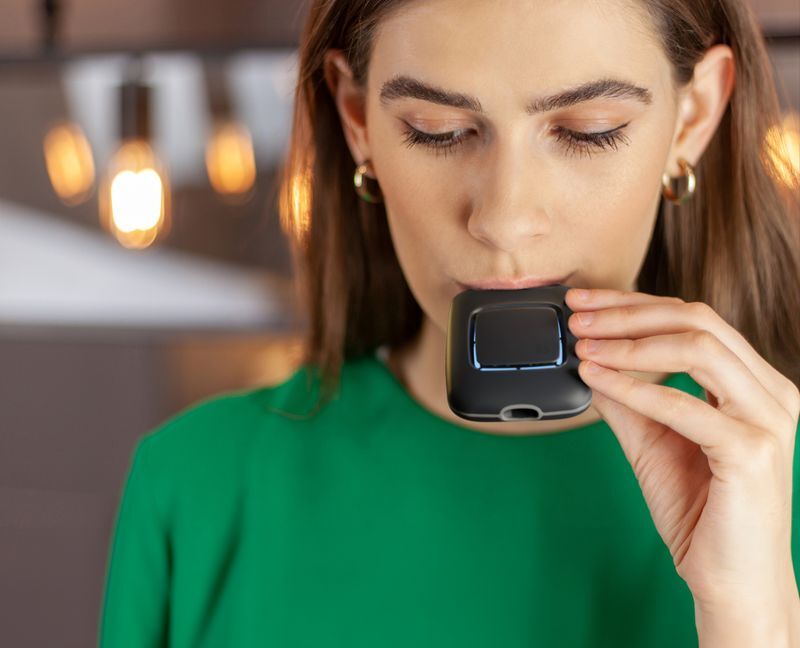
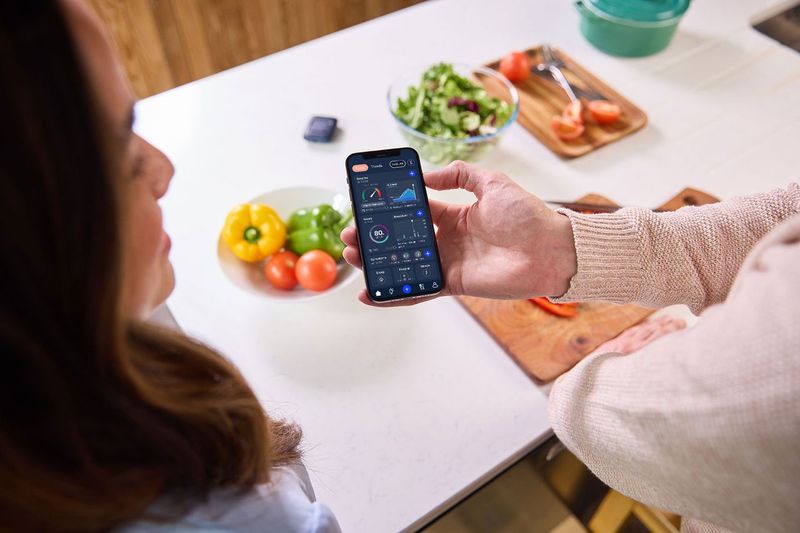
AIRE 2 was designed to support people with SIBO by helping them track breath hydrogen and methane trends and see how these readings change with dietary adjustments or supplement routines. This kind of tracking doesn’t replace medical care, but it can help people better understand their own responses and bring more specific information into conversations with a healthcare provider.

In the US, FoodMarble Healthcare also provides access to SIBO breath testing through a healthcare professional, allowing testing and next steps to be guided clinically – including for people using GLP-1 medications who are experiencing ongoing digestive symptoms.

The bottom line

GLP-1 medications work partly by slowing digestion, and for many people that change affects the gut in noticeable ways. Digestive side effects are common, especially early on, and can range from mild to disruptive.

Understanding why these symptoms happen, using practical strategies to manage them, and tracking patterns over time can make it easier to navigate treatment. With the right information and clinical support, many people are able to find a balance that works for both metabolic health and digestive comfort.

Banner

References

1) Discontinuation and Reinitiation of Dual-Labeled GLP-1 Receptor Agonists Among US Adults With Overweight or Obesity
PubMed Central (PMC).
https://pmc.ncbi.nlm.nih.gov/articles/PMC11786232/

2) Clinical Recommendations to Manage Gastrointestinal Adverse Events in Patients Treated with GLP-1 Receptor Agonists: A Multidisciplinary Expert Consensus
PubMed Central (PMC).
https://pmc.ncbi.nlm.nih.gov/articles/PMC9821052/

3) GLP-1 Diabetes and Weight-Loss Drug Side Effects: “Ozempic face” and more
Harvard Health Publishing, Feb 5, 2024.
https://www.health.harvard.edu/staying-healthy/glp-1-diabetes-and-weight-loss-drug-side-effects-ozempic-face-and-more

4) Rao SSC, et al. Small Intestinal Bacterial Overgrowth: Clinical Features and Therapeutic Management.
Gastroenterology Clinics of North America.

5) Pimentel M, et al. Methane, a Gas Produced by Methanogens, Slows Intestinal Transit and Is Associated With Constipation.
The American Journal of Gastroenterology.

  • 12 February 2026
  • Share this
  • FoodMarble
  • FoodMarble
  • FoodMarble
  • FoodMarble

Discover More

Search recipes, articles, stories: